Pregnancy nutrition advice often arrives as a long list of forbidden foods and a vague instruction to “eat healthy.” The useful version is simpler: a small set of nutrients matters most, calorie needs rise only modestly, and most meals you already enjoy are fine with a few safety adjustments. This guide covers what to eat in each trimester, the nutrients that actually change outcomes, and the foods to avoid for safety rather than superstition.
Calories: Less Than Most People Expect
You do not need to “eat for two.” Extra energy needs are modest and rise by trimester:
- First trimester: no extra calories needed. Quality matters more than quantity.
- Second trimester: roughly 340 extra calories per day, about a small sandwich or yogurt with fruit and nuts.
- Third trimester: roughly 450 extra calories per day.
These are averages. Your clinician may adjust them for pre-pregnancy weight, activity, or a multiple pregnancy. The practical implication is that pregnancy nutrition is about composition, not volume: protein, iron, folate, calcium, iodine, and omega-3, packed into meals you can actually keep down.
Nutrients That Change Outcomes
| Nutrient | Why it matters | Best food sources | Daily target |
|---|---|---|---|
| Folate | Prevents neural tube defects in early development | Fortified cereals, lentils, spinach, asparagus | 600 mcg, plus prenatal supplement |
| Iron | Supports expanded blood volume; prevents anemia | Lean red meat, lentils, beans, fortified cereal | 27 mg |
| Calcium | Builds fetal skeleton and protects maternal bone | Milk, yogurt, cheese, fortified plant milk, tofu | 1,000 mg |
| Iodine | Thyroid function and brain development | Iodized salt, dairy, seafood, eggs | 220 mcg |
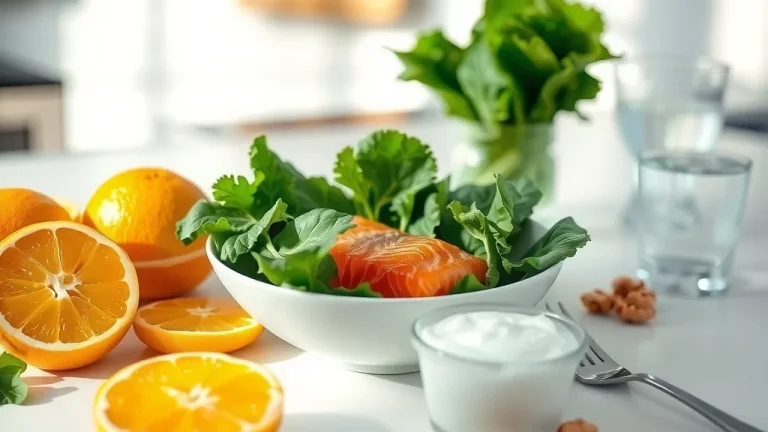
| Omega-3 (DHA) | Supports fetal brain and eye development | Salmon, sardines, trout, algae oil | 200 to 300 mg DHA |
| Choline | Brain and spinal cord development | Eggs, soy, liver (limited), dairy | 450 mg |
| Vitamin D | Calcium absorption and bone health | Fortified dairy, oily fish, sunlight | 600 IU, clinician may adjust |
A prenatal vitamin covers the gaps, especially folate, iron, and iodine. It does not replace food, and it should not double up with another multivitamin unless your clinician approves.
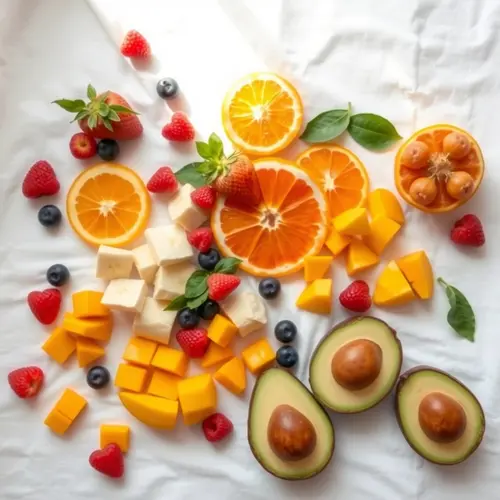
If you want to go deeper on specific nutrients, our guides to folic acid benefits and the best fruit for pregnancy explain the evidence and portions.
First Trimester: Manage Symptoms First
Nausea and food aversions make ideal eating impossible for many women, and that is normal. The goal is hydration and whatever protein and carbohydrate you can tolerate, eaten in small amounts frequently. Cold foods often work better than hot meals. Ginger, plain crackers, and sour flavors help some people. If vomiting prevents you from keeping fluids down, contact your clinician; that is not something to push through.
Start the prenatal vitamin as early as possible, ideally before conception. Folate’s protective window is the first weeks of pregnancy, often before a positive test.
Second and Third Trimesters: Build the Plate
Use a simple template at each main meal: a palm-sized portion of protein, half a plate of vegetables and fruit, a fist of whole grains or starchy vegetables, and a thumb of healthy fat. This covers most nutrient needs without counting.
Protein needs rise to about 70 grams per day. Good choices include eggs, Greek yogurt, chicken, fish, lentils, tofu, and beans. Iron absorption improves when you pair plant iron with vitamin C, such as lentils with peppers or fortified cereal with orange juice. Keep tea and coffee away from iron-rich meals, since tannins reduce absorption.
Constipation is common in the third trimester. Fiber from fruit, vegetables, and whole grains plus adequate water helps, and movement helps more than most people expect.
Foods to Avoid and Why
- Raw and undercooked meat, fish, and eggs: risk of listeria, salmonella, and toxoplasma.
- High-mercury fish: shark, swordfish, king mackerel, and tilefish. Limit albacore tuna to about 170 g per week.
- Unpasteurized dairy and soft cheeses: feta, brie, camembert, and blue cheese unless labeled pasteurized.
- Deli meats and cold smoked fish: either avoid or heat until steaming, because listeria grows at refrigeration temperature.
- Raw sprouts: difficult to wash clean of bacteria.
- Alcohol: no safe amount has been established.
- High-dose caffeine: keep total intake under about 200 mg per day, roughly one 350 ml coffee.
These rules target real pathogens, not natural foods. Well-cooked fish, pasteurized cheese, and thoroughly washed produce are all encouraged.
A Sample Day
- Breakfast: fortified cereal with milk, a handful of berries, and a boiled egg.
- Lunch: lentil soup with whole grain bread and an orange, or a chicken and spinach wrap.
- Snack: Greek yogurt with walnuts, or hummus with carrot sticks.
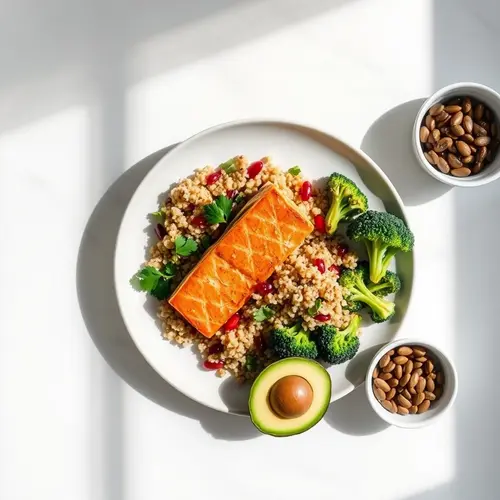
- Dinner: baked salmon or tofu with roasted vegetables, quinoa, and olive oil.
- Drinks: water through the day, one coffee or tea if desired.
That day covers folate, iron, calcium, choline, DHA, and roughly 75 grams of protein without anything exotic. Vegetarian and vegan versions work with fortified plant milk, tofu, legumes, and an algae-based DHA supplement.
When to Ask for Help
Contact your clinician for persistent vomiting, rapid weight loss, unusual swelling, or if you cannot eat enough to function. Gestational diabetes and anemia are common and manageable, but they need testing rather than guesswork. Nutrition during pregnancy is a support system, not a test of willpower, and adjusting the plan to your real life is part of doing it well.
How many extra calories do I need while pregnant?
None in the first trimester, about 340 per day in the second, and about 450 per day in the third. Quality and nutrient density matter more than the number.
Do I need a prenatal vitamin?
Yes, generally. A prenatal covers folate, iron, and iodine, which are hard to guarantee from food alone, especially with nausea. Confirm the brand and dose with your clinician.
Can I eat fish during pregnancy?
Yes, low-mercury fish such as salmon, sardines, and trout are recommended twice a week for DHA. Avoid shark, swordfish, king mackerel, and tilefish.
How much caffeine is safe?
Keep total intake under about 200 mg per day, roughly one 350 ml coffee or two small teas.
About the Author