When you are expecting, every food choice feels like a major decision. Expecting mothers frequently ask which fruit for pregnancy offers the highest nutritional payoff without introducing unnecessary risks. The good news is that fresh fruit is nature’s ultimate prenatal superfood.
Packed with dietary fiber, essential vitamins, and key minerals like folate and potassium, the right fruits actively support fetal development while helping you manage common pregnancy discomforts like morning sickness and sluggish digestion. Whether you are navigating early cravings or preparing for delivery, incorporating a colorful variety of fruit into your daily routine ensures a nutrient-dense path toward a healthy pregnancy.
Why Fruit for Pregnancy Matters for Maternal Nutrition
During pregnancy, your body requires an elevated intake of micronutrients to build tissue, expand blood volume, and support embryonic growth. Research supported by the American College of Obstetricians and Gynecologists (ACOG) indicates that maintaining adequate fruit intake helps support appropriate weight gain and significantly reduces the risk of maternal complications such as gestational diabetes and preeclampsia.
Unlike processed snacks or sugary treats that cause rapid blood glucose spikes, the natural sugars in whole fruits come bound to dietary fiber. This unique combination delivers a steady, sustained release of energy while stabilizing blood sugar levels. Furthermore, eating a wide spectrum of colorful fruits ensures you consume diverse antioxidants and phytonutrients that protect maternal cells from oxidative stress.
Top Fruit for Pregnancy Choices by Trimester
As your pregnancy progresses, your nutritional demands shift. Selecting specific fruits tailored to each stage of gestation can help address trimester-specific symptoms and development goals.
First Trimester (Weeks 1–12): Berries Fruit for Pregnancy & Hydrating Options
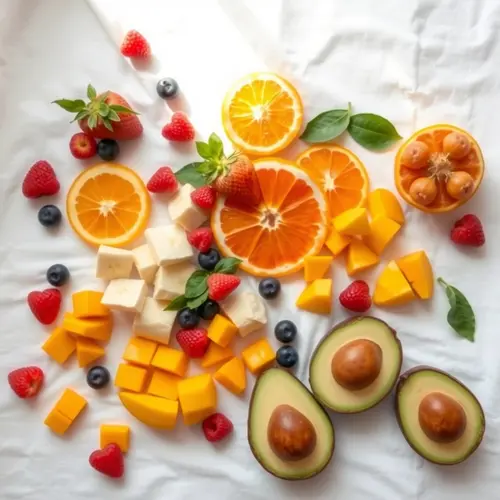
During the early weeks, neural tube formation is at its peak, and morning sickness often sets in. Strawberries, blueberries, and raspberries are ideal because they are rich in folate and vitamin C. Their gentle, natural tartness can also help settle an upset stomach.
Second Trimester (Weeks 13–27): Citrus & Avocados Fruit for Pregnancy
As your baby’s bones and organs develop rapidly, your blood volume increases dramatically. Oranges, lemons, and grapefruits deliver high concentrations of vitamin C to enhance iron absorption, alongside hydration to balance fluid levels. Avocados supply crucial healthy fats and folate needed for brain development.
Third Trimester (Weeks 28–40+): Bananas, Mangoes & Papaya Fruit for Pregnancy
Late pregnancy often brings painful leg cramps and digestive sluggishness. Bananas provide potassium and vitamin B6 to ease muscle spasms and support mood regulation. Mangoes offer abundant vitamin A for fetal vision development, while ripe papaya aids digestion.
Nutritional Breakdown of Recommended Pregnancy Fruits
Comparing the nutritional profiles of different fruits helps you build a well-balanced daily menu. The table below details the specific nutrient content and health benefits of top choices:
Fruit for Pregnancy
Serving Size
Key Nutrients
Primary Health Benefit
Mixed Berries
1 cup
Vitamin C, Folate, Fiber
Boosts immune function and supports neural tube development
Orange
1 medium
Vitamin C, Folate, Potassium
Aids collagen formation, boosts iron absorption, balances fluids
Banana
1 medium
Potassium, Vitamin B6, Fiber
Helps prevent leg cramps and supports mood stability
Mango
1 cup (sliced)
Vitamin A, Vitamin C, Folate
Promotes vision health, skin integrity, and tissue growth
Avocado
1/2 medium
Healthy Fats (Omega-3s), Folate, Vitamin K
Supports fetal brain development and fat-soluble vitamin absorption
Fruit for Pregnancy Insight: Easing Pregnancy Symptoms Naturally
Prenatal supplements are essential, but high-iron formulas can sometimes lead to uncomfortable gastrointestinal side effects like constipation.
Clinical Practice Note:
A 32-year-old patient in her second trimester reported persistent constipation despite taking her regular prenatal vitamins. Rather than relying immediately on over-the-counter laxatives, her healthcare team recommended swapping her afternoon processed snack for a cup of ripe, sliced papaya paired with a small handful of walnuts. Within three days, she experienced noticeable bowel regularity, attributing the improvement to the fruit’s natural digestive enzymes and high fiber content.
Fruit for Pregnancy Essential Safety and Preparation Guidelines
While fruit is generally very safe, proper selection and preparation are crucial during pregnancy to protect against foodborne illnesses such as Listeria or Toxoplasmosis.
Wash Produce Thoroughly: Always wash all fresh produce under running tap water before eating, peeling, or cutting, even if it has an inedible rind.
Know the Papaya Rule: Fully ripe papaya (yellow skin) is safe and beneficial. However, avoid unripe or semi-ripe papaya (green skin), as it contains concentrated latex that can trigger uterine contractions.
Avoid Unpasteurized Juices: Skip freshly squeezed juices from unpasteurized juice bars or roadside stands, as they can harbor harmful bacteria.
Pair with Protein for Blood Sugar Balance: If you have been diagnosed with gestational diabetes, enjoy your fruit alongside a protein or healthy fat (such as Greek yogurt or almonds) to keep post-meal glucose levels steady.
Fruit for Pregnancy Thoughts
Incorporating a vibrant mix of fruit for pregnancy into your daily meal plan is one of the easiest, most delicious ways to nurture your growing baby while protecting your own digestive and cardiovascular health. Focus on variety, wash your produce carefully, and enjoy the natural sweetness of whole foods throughout your pregnancy journey.
Why Fruit for Pregnancy Matters for Maternal Nutrition
During pregnancy, your body requires an elevated intake of micronutrients to build tissue, expand blood volume, and support embryonic growth. Research supported by the American College of Obstetricians and Gynecologists (ACOG) indicates that maintaining adequate fruit intake helps support appropriate weight gain and significantly reduces the risk.
Top Fruit for Pregnancy Choices by Trimester
As your pregnancy progresses, your nutritional demands shift. Selecting specific fruits tailored to each stage of gestation can help address trimester-specific symptoms and development goals.
First Trimester (Weeks 1–12): Berries Fruit for Pregnancy & Hydrating Options
During the early weeks, neural tube formation is at its peak, and morning sickness often sets in. Strawberries, blueberries, and raspberries are ideal because they are rich in folate and vitamin C.
Michael Carter covers parenting and family life since 2020, testing 60+ parenting products and routines on safety, value, and real-life fit to help moms and families choose with confidence.