pregnancy and processed meat
Many expectant parents wonder about pregnancy and processed meat safety, asking whether items like bacon, hot dogs, or deli slices pose a risk to the developing baby.
Established guidance from major health organizations indicates that occasional consumption is generally considered low risk, but frequent intake should be limited due to additives such as nitrates and sodium.
Understanding the Risks of pregnancy and processed meat
The primary concerns with pregnancy and processed meat stem from additives such as sodium nitrite and high salt levels, which have been linked in observational studies to increased odds of certain complications.
The American College of Obstetricians and Gynecologists notes that while no definitive causal relationship has been proven, moderation is advised to minimize exposure.
How Nitrates and Sodium Affect pregnancy and processed meat Consumption
When ingested, nitrates from pregnancy and processed meat can convert to nitrosamines, compounds that have shown carcinogenic potential in animal models, though human data remain inconclusive.
Health experts from the National Institutes of Health suggest limiting processed meat to no more than two servings per week during pregnancy to keep nitrate intake within safe bounds.
| Processed Meat | Average Nitrate (mg/100g) | Average Sodium (mg/100g) |
|---|---|---|
| Bacon | 800 | 1,800 |
| Hot Dog | 500 | 1,200 |
| Deli Turkey | 300 | 900 |
| Sausage | 600 | 1,500 |
- Choose nitrate‑free or low‑sodium versions when available.
- Limit portions to no more than two servings per week.
- Pair processed meat with vitamin C‑rich foods (e.g., bell peppers, citrus) to inhibit nitrosamine formation.
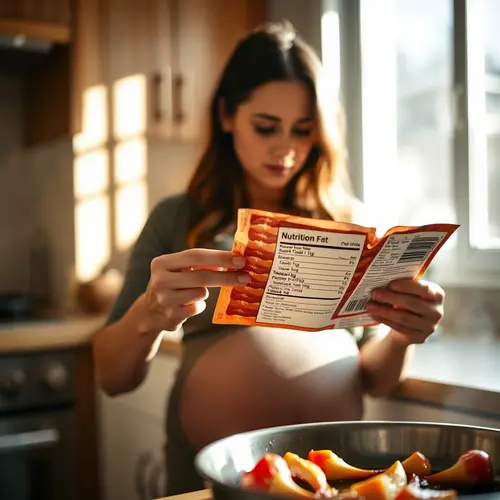
- Read labels carefully for additives such as sodium nitrite (E250) and potassium nitrate (E252).
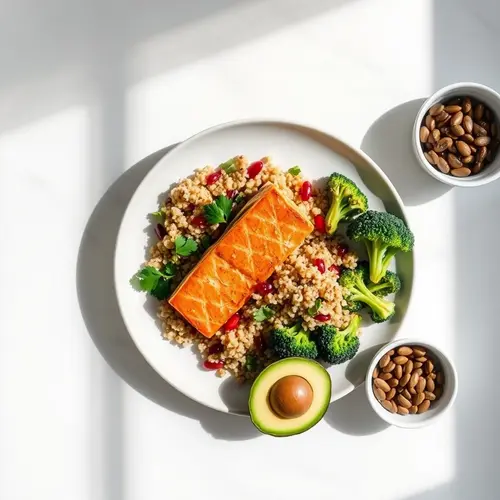
- Opt for freshly cooked poultry or fish as a regular protein alternative.
Pregnancy and Processed Meat – Cooking Methods to Lower Nitrosamine Formation
Grilling or frying at high temperatures can increase nitrosamine formation, especially when meat is charred.
Using lower‑heat methods such as baking, steaming, or simmering helps reduce the creation of these compounds.
Adding a splash of lemon juice or vinegar before cooking can also provide antioxidants that counteract nitrosamine development.
Building a Balanced Pregnancy Diet Without Relying on Pregnancy and Processed Meat
Protein requirements rise throughout pregnancy, averaging about 71 grams per day in the second and third trimesters.
Meeting this goal with whole foods helps limit exposure to unnecessary additives while delivering a broad spectrum of micronutrients.
Legumes such as lentils, chickpeas, and black beans supply roughly 9 grams of protein per half‑cup cooked serving, plus iron and folate.
Eggs provide approximately 6 grams of protein each and are rich in choline, which supports fetal brain development.
Dairy options like Greek yogurt and cheese deliver protein alongside calcium and vitamin D.
Freshly cooked poultry, fish, and lean cuts of meat deliver protein without the sodium nitrite and high salt levels typical of processed items.
Including a colorful array of vegetables and whole grains ensures adequate fiber, vitamin C, and antioxidants that aid overall health.
| Food | Protein (g per serving) | Key Nutrients |
|---|---|---|
| Lentils (½ cup cooked) | 9 | Iron, folate, fiber |
| Egg (large) | 6 | Choline, vitamin D, selenium |
| Greek yogurt (¾ cup) | 15 | Calcium, probiotics, protein |
| Salmon (3 oz cooked) | 22 | Omega‑3, vitamin B12, selenium |
| Chicken breast (3 oz cooked) | 26 | Niacin, phosphorus, low fat |
- Aim for at least two servings of legumes or beans weekly.
- Include a source of protein at every meal to maintain steady energy levels.
- Choose whole grains such as quinoa, brown rice, or oats for sustained fullness.
- Snack on nuts, seeds, or yogurt to curb cravings between meals.
- Stay hydrated and limit sugary beverages to support metabolic health.
Pregnancy and Processed Meat: What to Look for in Processed Meat Products
Ingredients are listed in descending order by weight, so the first items are the most abundant.
Look for sodium nitrite (E250) or potassium nitrate (E252) near the end of the list if you wish to limit these additives.
The nutrition facts panel shows sodium content per serving; aim for options with less than 400 mg per serving to reduce salt intake.
Some products carry a “nitrate‑free” claim, meaning they use natural sources like celery powder, which still contains nitrates but may be perceived as cleaner.
Checking for certifications such as USDA Organic or American Heart Association’s Heart‑Check can help identify healthier choices.
In summary, mindful consumption of pregnancy and processed meat—focusing on portion size, ingredient labels, and pairing with antioxidants—allows expectant parents to enjoy favorite foods while minimizing potential risks.
Small, consistent choices add up to meaningful protection for both mother and baby over the course of pregnancy.
Always consult your prenatal care provider for personalized advice, especially if you have specific health conditions.
About the Author