folic acid
Folic acid is a B‑vitamin that helps the body produce new cells and is vital for proper fetal development.
Why folic acid Matters for Expecting Parents
The Centers for Disease Control and Prevention advises that women of childbearing age take 400 micrograms of folic-acid each day to lower the risk of neural tube defects.
| Source | Typical Amount per Serving | Notes |
|---|---|---|
| Enriched breakfast cereal | 100–200 mcg | Check label for fortification |
| Cooked lentils (½ cup) | 180 mcg | Natural folate |
| Spinach, raw (1 cup) | 60 mcg | Natural folate |
| folic acid supplement | 400–800 mcg | Most reliable dose |
Many prenatal multivitamins contain between 400 and 800 micrograms of folic acid per serving, making it easy to meet the recommendation.
In addition to supplements, fortified cereals, breads, and pastas often provide extra folic-acid to help reach daily goals.
How to Choose a folic acid Supplement
Look for a product that bears the USP or NSF seal, which confirms that the label amount matches the actual content.
Avoid supplements that exceed 1000 micrograms unless directed by a healthcare provider, as very high doses can mask vitamin B12 deficiency.
Take the supplement with a full glass of water and with food if stomach upset occurs.
- Start supplementation at least one month before trying to conceive.
- Choose a prenatal vitamin with 400–800 mcg of folic acid.
- Read the label to confirm the presence of USP or NSF verification.
- Keep the bottle in a cool, dry place away from direct sunlight.
- Discuss any medication interactions with your doctor or pharmacist.
Common Myths
One myth is that you can get enough folic acid from diet alone; however, most women need a supplement to reach the recommended level.
Another misconception is that taking more folic-acid is always better; excess intake offers no added benefit and may cause unwanted side effects.
Finally, some believe that folic acid only matters in the first trimester; yet continued support throughout pregnancy aids placental growth and fetal organ development.
Folic Acid Dosage Guidelines by Life Stage
Health organizations provide specific recommendations for folic-acid intake based on age, sex, and life circumstances.
| Group | Recommended Daily Amount (mcg) |
|---|---|
| Infants 0‑6 months | 65 mcg |
| Infants 7‑12 months | 80 mcg |
| Children 1‑3 years | 150 mcg |
| Children 4‑8 years | 200 mcg |
| Children 9‑13 years | 250 mcg |
| Teens 14‑18 years | 300 mcg |
| Women 19‑50 years | 400 mcg |
| Pregnant women | 600 mcg |
| Lactating women | 500 mcg |
| Men 19‑50 years | 400 mcg |
| Adults 51+ years | 400 mcg |
Following these guidelines helps prevent deficiency while avoiding unnecessary excess.
Consult a healthcare provider before starting any new supplement, especially if you have underlying health conditions or take prescription medications.
Top Food Sources of Folic Acid
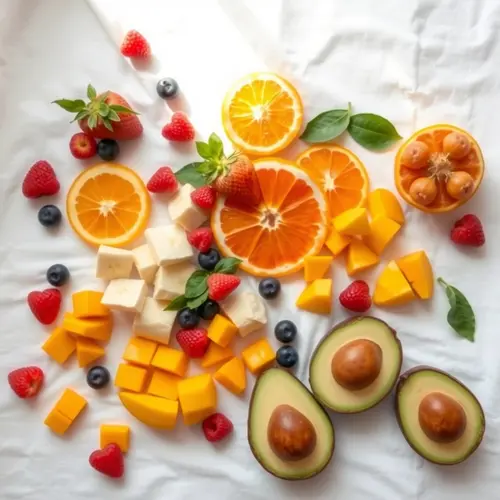
Eating a variety of folate‑rich foods complements supplement use and supports overall nutrition.
- Cooked spinach (1 cup) – 260 mcg folate
- Black-eyed peas (½ cup) – 105 mcg folate
- Asparagus (½ cup) – 130 mcg folate
- Avocado (1 whole) – 120 mcg folate
- Orange juice (1 cup) – 110 mcg folate
- Fortified breakfast cereal (¾ cup) – 100‑200 mcg
- Bread, enriched (2 slices) – 100 mcg
- Liver, beef (3 oz) – 210 mcg folate
Regularly including these foods in meals helps maintain steady folate levels and reduces reliance on supplements alone.
If you are unsure whether you are getting enough folic acid, consider tracking your diet with a nutrition app or discussing a blood test with your doctor.
Small steps, such as choosing fortified orange juice at breakfast or adding a side of steamed broccoli to dinner, can make a meaningful difference over time.
Stay consistent and enjoy the benefits for your whole family.
By making folic acid a regular part of your preconception and prenatal routine, you support healthy cell division and give your baby the strongest possible start.
About the Author