pregnancy food plan
Building a solid pregnancy food plan starts with nutrient density, not just extra calories. You need protein, folate, iron, and omega-3s daily to support fetal development and maternal health.
Why Your pregnancy food plan Matters More Than Calories
Calorie needs increase modestly, roughly 340 calories in the second trimester and 450 in the third. The real challenge is packing vitamins and minerals into every bite. According to the American College of Obstetricians and Gynecologists (ACOG), micronutrient gaps pose a greater risk to birth outcomes than macronutrient shortages. A well-structured approach prevents complications like neural tube defects, low birth weight, and maternal anemia.
Core Nutrients for a Strong pregnancy food plan
Focus on these five non-negotiables. The National Institutes of Health (NIH) sets specific Recommended Dietary Allowances (RDAs) for pregnancy that differ significantly from standard adult values.
| Nutrient | Daily Target (Pregnancy) | Best Food Sources |
|---|---|---|
| Folate / Folic Acid | 600 mcg DFE | Spinach, lentils, fortified cereal, asparagus |
| Iron | 27 mg | Lean beef, chicken liver, white beans, tofu |
| Choline | 450 mg | Eggs, salmon, shiitake mushrooms, soybeans |
| DHA (Omega-3) | 200–300 mg | Sardines, anchovies, algae oil, walnuts |
| Calcium | 1,000 mg | Greek yogurt, kefir, fortified plant milk, kale |
Trimester-by-Trimester Pregnancy food plan Adjustments
First trimester nutrition fights nausea and establishes the placental bed. Prioritize bland, high-protein snacks like saltines with nut butter or cold Greek yogurt. Hydration matters more than volume here. Second trimester brings appetite return. This is the window to build iron stores and maximize calcium absorption for fetal skeleton hardening. Third trimester demands high DHA for rapid brain growth and fiber to combat constipation from uterine pressure.
Sample Pregnancy food plan Daily Menu
This template hits macro and micro targets without exotic ingredients.
- Breakfast: Overnight oats with chia seeds, kefir, blueberries, and a scoop of collagen peptides.
- Mid-Morning: Hard-boiled egg and a clementine.
- Lunch: Lentil salad with arugula, roasted sweet potato, feta, pumpkin seeds, olive oil lemon dressing.
- Afternoon: Apple slices with almond butter.
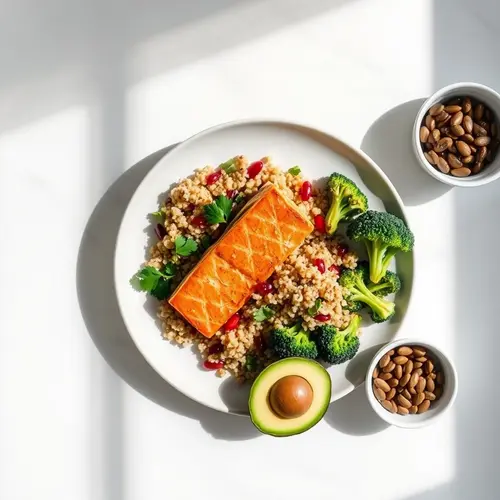
- Dinner: Wild salmon, quinoa pilaf, steamed broccoli with garlic.
- Evening: Cottage cheese with cinnamon and flaxseed.
Pregnancy food plan to Limit or Avoid
Safety protocols are non-negotiable. The CDC and FDA maintain strict lists to prevent listeriosis, toxoplasmosis, and mercury toxicity.
- Raw or undercooked meat, poultry, eggs, and seafood.
- Unpasteurized dairy, juices, and soft cheeses (brie, feta, queso fresco) unless labeled pasteurized.
- High-mercury fish: swordfish, king mackerel, tilefish, shark, bigeye tuna.
- Deli meats and hot dogs unless reheated to steaming hot (165°F).
- Excess caffeine over 200 mg daily (about one 12-oz coffee).
- Alcohol — zero safe threshold established.
Hydration and Supplementation
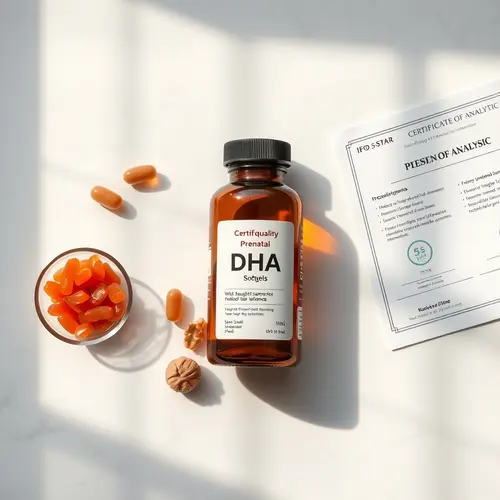
Blood volume expands by nearly 50 percent. Aim for 80–100 ounces of fluid daily. Water, milk, and herbal teas count. A prenatal vitamin fills gaps but does not replace food. Look for third-party testing seals (USP, NSF) verifying methylated folate (5-MTHF) over synthetic folic acid, and separate DHA if the multi lacks it. Iron bisglycinate causes less constipation than ferrous sulfate.
Pregnancy food plan – Common Myths Debunked
Myth: “Eat for two.” Reality: Nutrient needs double; calories do not. Myth: “Avoid all fish.” Reality: Low-mercury fatty fish 2–3 times weekly boosts infant IQ scores per JAMA Pediatrics data. Myth: “Cravings signal deficiencies.” Reality: Cravings are hormonal and psychological; ice cravings (pica) may signal iron deficiency, but chocolate cravings do not signal magnesium lack.
Pregnancy food plan Expert Insight: Managing Real-World Barriers
I counseled a client at 28 weeks with severe reflux and gestational diabetes. Standard advice failed her. We shifted to six micro-meals: half a protein shake, two almond flour crackers with cheese, quarter avocado. Blood sugar stabilized, reflux dropped, weight gain normalized. Rigid templates break; flexible frameworks survive. Batch cook proteins and grains on Sunday. Keep washed greens and pre-cut veg visible at eye level. The best pregnancy food plan is the one you actually execute.
Consistency beats perfection. Track how you feel, not just the scale. Adjust portions based on hunger cues and provider feedback. A sustainable pregnancy food plan builds a healthier baby and a stronger recovery.
About the Author