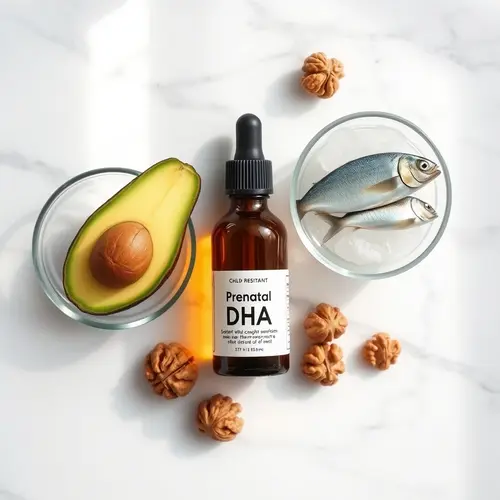
Finding the best omega 3 for pregnancy means prioritizing high DHA content, third-party purity testing, and the triglyceride form for optimal absorption. Most expecting parents need a supplement delivering at least 300 mg of DHA daily to support fetal brain and eye development.
Why best omega 3 for pregnancy Drives Fetal Development
Docosahexaenoic acid (DHA) accumulates rapidly in the fetal brain and retina during the third trimester. The fetus cannot synthesize adequate amounts independently. Maternal intake directly determines the infant’s DHA status at birth. According to the American Journal of Clinical Nutrition, higher cord blood DHA correlates with improved cognitive scores and visual acuity in infancy.
The American College of Obstetricians and Gynecologists (ACOG) recommends pregnant people consume at least two servings of low-mercury fish weekly. For those who do not eat fish regularly, a high-quality supplement bridges the gap effectively.
How to Choose the best omega 3 for pregnancy
Not all fish oil is created equal. The market is flooded with products that oxidize quickly or deliver negligible DHA doses. Use this framework to filter the noise.
Comparing the best omega 3 for pregnancy Forms: Triglyceride vs. Ethyl Ester
Molecular structure dictates bioavailability. Re-esterified triglyceride (rTG) fish oil mimics the natural form found in whole fish. Clinical data shows rTG formats absorb 70% better than synthetic ethyl esters (EE). EE forms are cheaper to produce but require high-fat meals for decent uptake. Always check the label for “triglyceride form” or “rTG.”
Algae Oil: The Direct Plant-Based Alternative
Algal oil bypasses the fish entirely. It is the original source of marine DHA. This option eliminates concerns about ocean contaminants, fishy reflux, and sustainability. It is the superior choice for vegetarians, vegans, or anyone with seafood allergies. Look for strains like Schizochytrium which yield high DHA concentrations naturally.
Third-Party best omega 3 for pregnancy Verification Is Non-Negotiable
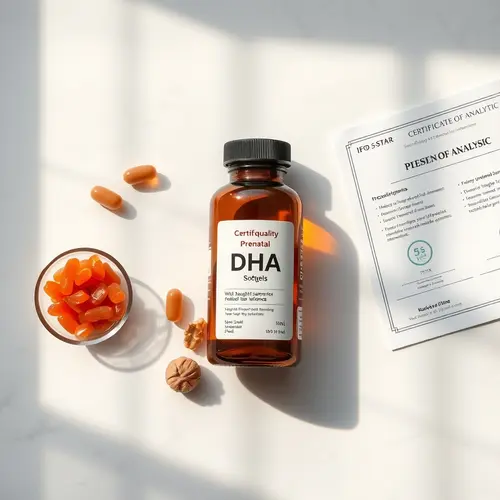
Heavy metals, PCBs, and oxidation byproducts (peroxides, anisidine) accumulate in poorly processed oils. The Global Organization for EPA and DHA Omega-3s (GOED) sets voluntary monograph standards. The International Fish Oil Standards (IFOS) program provides batch-specific Certificates of Analysis (CoAs). If a brand refuses to publish a CoA, walk away. The FDA does not test supplements pre-market; verification is your only safety net.
best omega 3 for pregnancy Oxidation: The Silent Quality Killer
Rancid oil produces free radicals, promoting inflammation—the opposite of your goal. TOTOX (Total Oxidation Value) should sit below 10, ideally under 5. Smell the capsules. A strong fishy odor signals high oxidation. Enteric-coated capsules often mask rancidity; they delay release but do not fix bad raw material. Nitrogen-flushed bottles and dark glass packaging extend shelf life significantly.
Criteria
Gold Standard
Red Flag
DHA per Serving
≥ 300 mg (ideally 400-500 mg)
< 200 mg DHA
Molecular Form
Re-esterified Triglyceride (rTG)
Ethyl Ester (EE) / Unspecified
Purity Testing
IFOS 5-Star / GOED Compliant / Public CoA
No CoA / “Proprietary Blend” hiding doses
TOTOX Value
< 10
> 26 (GOED limit) / Not Published
Source
Wild-caught small fish (anchovy, sardine) or Algae
Farmed salmon / Large predatory fish (tuna, cod liver)
best omega 3 for pregnancy Dosage Nuances Most Articles Miss
Generic advice says “take 200-300 mg DHA.” That is a baseline, not a ceiling. The National Institutes of Health (NIH) notes intakes up to 1,000 mg DHA daily show benefit for early preterm birth reduction without adverse effects. If you carry the FADS1/FADS2 genetic variants affecting fatty acid desaturation, your conversion efficiency drops. In those cases, direct DHA intake closer to 600-800 mg is prudent. Discuss genetic nutrition with a qualified provider.
Split the dose. Taking half in the morning and half with dinner reduces gastrointestinal upset and maintains steadier plasma levels. Always pair with a meal containing dietary fat to trigger bile release and micelle formation.
best omega 3 for pregnancy Insight: The EPA Trap
A common marketing tactic highlights “High EPA” for mood support. During pregnancy, DHA is the structural priority. EPA competes for the same enzymatic pathways and placental transporters. Excess EPA can displace DHA incorporation into fetal neural tissue. Target a ratio of at least 2:1 DHA to EPA. Some prenatal-specific formulas contain zero EPA for this exact reason. Do not chase high total Omega-3 numbers; chase high DHA numbers.
Practical best omega 3 for pregnancy Buying Checklist
Verify DHA dose per serving size (not per capsule if serving is 3 caps).
Confirm rTG or natural triglyceride form.
Download the latest CoA from the brand website (lot-specific).
Check TOTOX value on the CoA.
Ensure vitamin E (d-alpha tocopherol) is added as an antioxidant.
Avoid cod liver oil unless vitamin A content is verified safe (preformed retinol risks teratogenicity).
Store bottle in the refrigerator after opening.
best omega 3 for pregnancy Integrating Diet and Supplements
Supplements complement diet; they do not replace the nutrient matrix of whole food. Wild salmon, sardines, herring, and mussels provide selenium, iodine, choline, and protein alongside Omega-3s. Selenium specifically binds mercury, reducing bio availability. Aim for 8-12 ounces of low-mercury seafood weekly per FDA/EPA joint advice. Use the supplement as insurance on days fish is off the menu.
Selecting the best omega 3 for pregnancy comes down to verified purity, triglyceride structure, and a therapeutic DHA dose. Ignore marketing hype. Read the Certificate of Analysis. Your baby’s developing brain deserves the rigor.
Michael Carter covers parenting and family life since 2020, testing 60+ parenting products and routines on safety, value, and real-life fit to help moms and families choose with confidence.