pregnancy oysters
Consuming pregnancy oysters can provide essential nutrients like zinc and omega-3 fatty acids, but raw or undercooked varieties pose a risk of foodborne illness. Expectant mothers often wonder whether the nutritional rewards outweigh the potential hazards. This guide answers that question with clear, evidence‑based advice.
Evaluating the Benefits and Risks of pregnancy oysters
Oysters are a natural source of high‑quality protein, vitamin B12, iron, and selenium. These nutrients support fetal brain development and maternal immune function. However, raw oysters may harbor Vibrio bacteria or norovirus, which can cause severe gastrointestinal distress.
How to Safely Prepare pregnancy oysters at Home
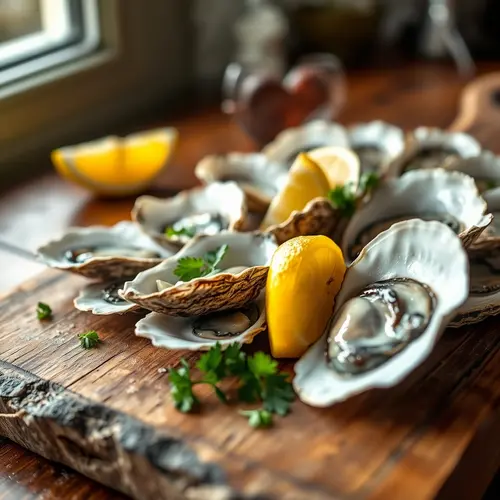
Cooking oysters to an internal temperature of 145 °F (63 °C) eliminates most pathogens while preserving their nutrient profile. Steaming, grilling, or baking are effective methods that keep the flesh tender. Avoid cross‑contamination by using separate utensils for raw and cooked shellfish.
When purchasing, choose oysters with tightly closed shells or those that close when tapped. Store them on ice and use within two days of purchase. Discard any oysters that remain open after cooking.
Nutrient Comparison: Cooked vs. Raw Pregnancy Oysters
| Nutrient | Amount per 100 g Cooked | Amount per 100 g Raw |
|---|---|---|
| Protein | 9 g | 7 g |
| Zinc | 16 mg | 12 mg |
| Omega‑3 (EPA+DHA) | 0.5 g | 0.4 g |
| Vitamin B12 | 14 µg | 10 µg |
| Iron | 5 mg | 4 mg |
The table shows that modest nutrient losses occur with cooking, but the safety gain far outweighs those minor reductions. Pregnant individuals can still meet daily zinc and omega‑3 targets through a balanced diet that includes cooked oysters.
Myths and Misconceptions About Pregnancy oysters
Debunking the Pregnancy Oysters Myth
A common belief claims that eating raw oysters boosts fertility more effectively than cooked forms. Scientific studies have not found any significant difference in reproductive outcomes between raw and cooked consumption when safety is controlled. The perceived benefit is likely anecdotal rather than evidence‑based.
Another myth suggests that occasional raw oyster intake is harmless if the source is reputable. Even high‑quality suppliers cannot guarantee pathogen‑free shellfish, and immunocompromised pregnancies are especially vulnerable. Therefore, the safest approach is to avoid raw oysters entirely during pregnancy.
Practical Tips for Including Pregnancy oysters in Your Diet
- Limit intake to two servings per week to maintain variety and minimize exposure to environmental contaminants.
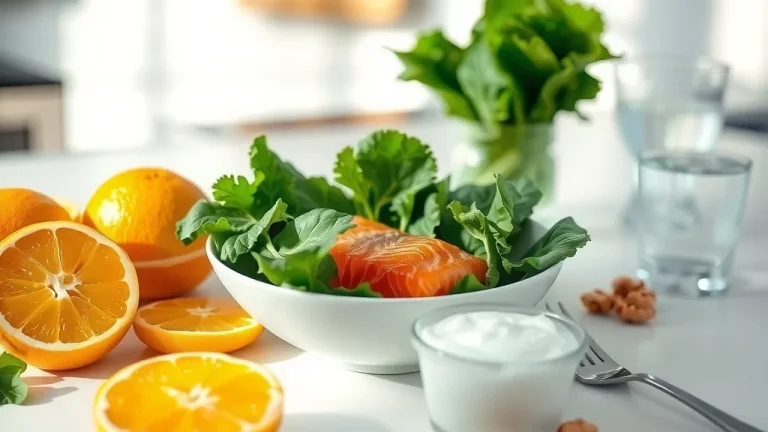
- Pair cooked oysters with vitamin C‑rich sides like bell peppers or citrus salad to enhance iron absorption.
- Keep a food diary to track any unusual symptoms after consumption and discuss them with your prenatal provider.
- Consider frozen, pre‑cooked oyster products from trusted brands as a convenient, safe alternative.
These strategies help you enjoy the flavor and nutritional advantages of pregnancy oysters while keeping risk low.
Expert Pregnancy Oysters: A Real‑World Scenario
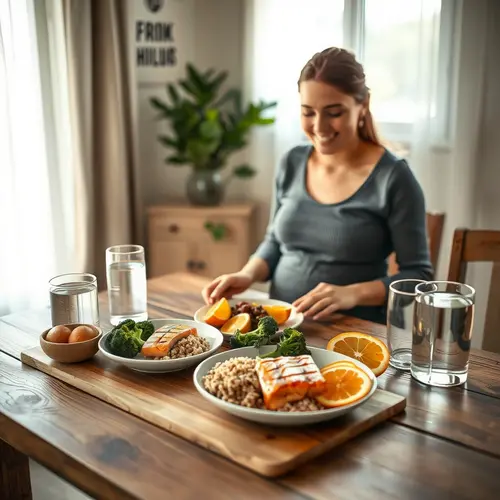
During a prenatal counseling session, a client reported craving oysters but feared listeria. After reviewing her dietary habits, I recommended she steam six medium oysters and serve them with a quinoa‑avocado salad. She reported no adverse effects and appreciated the satisfying texture and taste. This case illustrates that proper preparation transforms a risky craving into a safe, nutrient‑dense snack.
If you encounter unexpected nausea or diarrhea after eating oysters, stop consumption and contact your healthcare provider promptly. Prompt action reduces the chance of dehydration and ensures appropriate treatment.
Final Thoughts on Pregnancy oysters
Balancing cravings with safety is a core aspect of prenatal nutrition. pregnancy oysters offer valuable nutrients when cooked thoroughly and sourced responsibly. By following the guidelines outlined here, you can enjoy this delicacy without compromising your health or your baby’s development.
For a closer look at this topic, see Formula Feeding FAQs: Answering Your Questions.
For a closer look at this topic, see Stepparenting 101: Building Relationships with Stepchildren.
See also our article on Potty Training Made Easy: A Stress-Free Approach.
A simple step-by-step approach
Start with the basics of Pregnancy Oysters and keep the first step small enough to finish in one sitting. Gather the information you need, compare two or three realistic options, and note the trade-offs in plain language rather than marketing terms.
Then test the decision on a small scale before you scale it up. This is the part most people skip, and it is the reason Pregnancy Oysters sometimes feels harder than it should. A short trial tells you more than another hour of reading, and it usually surfaces the one constraint that matters in your case.
Mistakes that cost time and money
The most common mistake with Pregnancy Oysters is treating the first option you find as the only option. Comparison is not busywork: differences in scope, support, and timing often matter more than the headline number.
The second mistake is ignoring the follow-up. Whatever you choose, plan how you will check that it worked. A quick review after two weeks catches problems while they are still cheap to fix, and it turns Pregnancy Oysters from a one-time decision into something you can improve.
What to check before you start
Before committing time or money to Pregnancy Oysters, it helps to know what a good outcome looks like. Write down the result you actually need, the budget you can live with, and the deadline you are working against. Those three answers rule out most of the options that look attractive but do not fit your situation.
Next, look at the details that are easy to miss: what is included, what costs extra, and what happens when something goes wrong. Ask directly about timelines and follow-up. A clear answer is usually a better sign than a low price, because Pregnancy Oysters is rarely a one-off purchase of attention.
About the Author