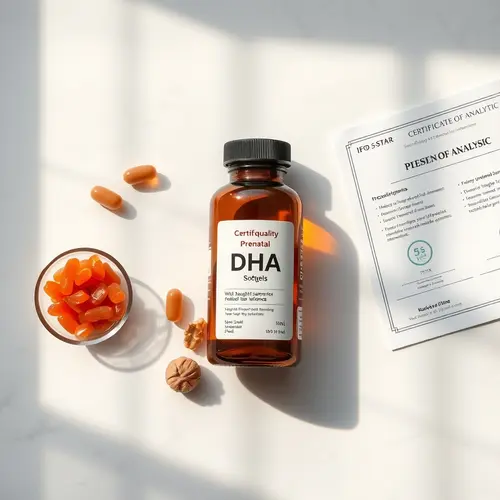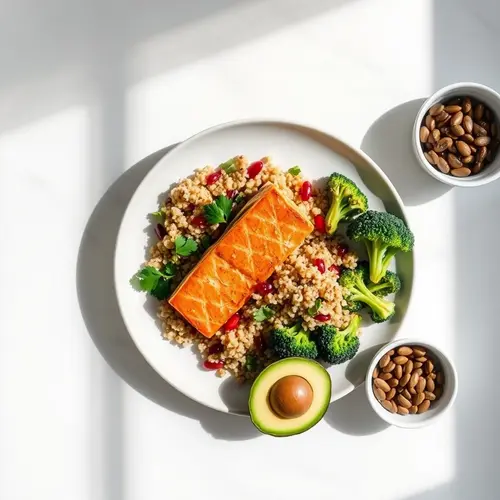
Finding the best DHA for pregnancy is a critical step in supporting your baby’s neurological and visual development during these transformative months. Docosahexaenoic acid (DHA) is a long-chain omega-3 fatty acid that acts as a primary building block for the fetal brain and retina. Because the human body cannot synthesize sufficient amounts of this nutrient on its own, expectant mothers must rely on their diet or high-quality supplementation to ensure adequate levels. As you focus on your nutrition, consider how these building blocks fit into your broader Pregnancy Meal Plan: What to Eat in Each Trimester to maintain optimal health for both you and your developing baby.
Understanding the Role of Omega-3s in Fetal Growth
Omega-3 fatty acids are essential fats that serve as structural components of cell membranes throughout the body. During the second and third trimesters, the demand for these fats increases significantly as the fetus undergoes rapid brain growth and retinal maturation. Research indicates that maternal intake of these fatty acids is directly linked to cognitive performance and visual acuity in infants. Beyond fetal benefits, maintaining healthy levels of these nutrients may also support maternal mood and potentially reduce the risk of preterm birth. It is important to distinguish between EPA and DHA, as both play different roles in human physiology. While EPA supports heart health and inflammation regulation, DHA is specifically concentrated in the brain and eyes, making it the priority for prenatal development. Ensuring your intake is consistent throughout the entire gestation period is more effective than sporadic supplementation, as the fetus accumulates these nutrients steadily over time.
How to Identify the Best DHA for Pregnancy
Selecting the best DHA for pregnancy requires a discerning eye for quality, purity, and bioavailability. Not all supplements are created equal, and the source of the oil matters significantly. Look for products derived from high-quality fish oil or algae oil that have undergone molecular distillation to remove heavy metals like mercury, PCBs, and dioxins. According to the National Institutes of Health, omega-3 supplements should be third-party tested to verify label accuracy and purity standards. When reading labels, check the total amount of DHA per serving rather than just the total fish oil content. A high-quality prenatal option typically provides at least 200 to 300 milligrams of DHA daily. Avoid products that contain excessive amounts of Vitamin A (retinol), as high doses of preformed Vitamin A can be teratogenic. Always prioritize brands that provide a certificate of analysis, which confirms the product has been tested by an independent laboratory for contaminants and potency.
Comparison of Common Prenatal Omega-3 Formats
Navigating the market can be overwhelming, so comparing your options based on form and convenience is essential. Whether you prefer capsules, liquids, or gummies, the delivery method should align with your tolerance for prenatal vitamins. Many women find that fish oil capsules can cause reflux or a fishy aftertaste, especially if they are already experiencing morning sickness. In such cases, enteric-coated capsules or plant-based algae oil may offer a more palatable alternative. Some mothers also enjoy exploring Creative Names: 500+ Proven Ideas That Truly Endure while they research their health regimen, turning a practical task into a moment of future planning. Below is a breakdown of common supplement types to help you decide which fits your lifestyle best.
| Format | Pros | Cons |
|---|---|---|
| Fish Oil Capsules | High potency, widely available | Potential fishy burps |
| Algae Oil (Vegan) | Sustainable, no fish taste | Often more expensive |
| Liquid Oil | Easier to swallow | Requires refrigeration, taste |
| Gummies | Great taste | Lower DHA concentration |
Factors to Consider Before Purchasing
When choosing a supplement, consider your dietary preferences and any existing health conditions. If you follow a vegetarian or vegan lifestyle, algae-based supplements are the gold standard, as they provide the same DHA found in fish without the need for marine harvesting. Furthermore, check the ratio of EPA to DHA in your chosen supplement. While DHA is the primary focus for fetal development, a balanced ratio can provide comprehensive support for your cardiovascular system. If you have concerns about the taste, look for lemon or berry-flavored options that mask the natural marine scent. It is also wise to consult with your obstetrician or a registered dietitian before starting any new supplement, especially if you are already taking a prenatal multivitamin that might contain some omega-3s. Tracking your intake helps prevent over-supplementation while ensuring you meet the daily recommended targets for a healthy pregnancy.
Finding the Best DHA for Pregnancy Supplementation
The best DHA for pregnancy is one that you can consistently take without side effects. If you find that a specific brand causes digestive upset, try taking it with a meal containing healthy fats, such as avocado or nuts, which can improve absorption and reduce nausea. Consistency is the most important factor in ensuring your baby receives a steady supply of nutrients. Some women find that taking their supplement at night helps them avoid the common symptoms of prenatal reflux. Beyond supplementation, remember that whole food sources like wild-caught salmon, sardines, and anchovies are excellent additions to your diet, provided they are cooked thoroughly. By combining a high-quality supplement with a nutrient-dense diet, you create the most stable environment for your child’s growth. Always verify that your chosen product is shelf-stable and has not passed its expiration date, as degraded fish oil can lose its efficacy and develop an unpleasant odor.
Safety and Quality Assurance for Expecting Mothers
Safety remains the paramount concern for any parent-to-be. Beyond looking for third-party certifications, ensure that the manufacturer follows Current Good Manufacturing Practices (CGMP). These regulations ensure that the product is consistently produced and controlled according to quality standards. Avoid purchasing supplements from unverified third-party sellers on large marketplaces, as counterfeit or improperly stored vitamins can pose health risks. Instead, buy directly from the manufacturer or reputable health retailers. As you prepare for your new arrival, you might also be interested in learning about the history of unique names, such as the Hulu Name Origin: Founders, Meaning & 7 Surprising Facts, or perhaps exploring the roots of a name like Letha Name Meaning: Greek Roots, Pronunciation, Popularity. Prioritizing your health through informed choices today sets the stage for a healthy transition into motherhood and beyond. Always keep your prenatal supplements in a cool, dark place to maintain the integrity of the delicate fatty acids inside.
When should I start taking prenatal omega-3 supplements?
It is generally recommended to begin supplementation as soon as you start trying to conceive or immediately upon confirming your pregnancy. Early intake ensures that your body has adequate stores of these vital fats to support the rapid development of the fetal brain and eyes during the first trimester.
Can I get enough DHA from my diet alone?
While it is possible to obtain these fatty acids through a diet rich in low-mercury, fatty fish like salmon and sardines, many women struggle to meet the recommended levels consistently. Supplementation provides a reliable and convenient way to ensure you reach the necessary daily targets for fetal development.
Are there any side effects to taking these supplements?
Some women may experience mild digestive discomfort, such as fishy burps or nausea. To minimize these effects, consider taking the supplement with a meal, opting for an enteric-coated capsule, or choosing a high-quality algae-based version, which often has a more neutral taste and is easier on the stomach.
About the Author