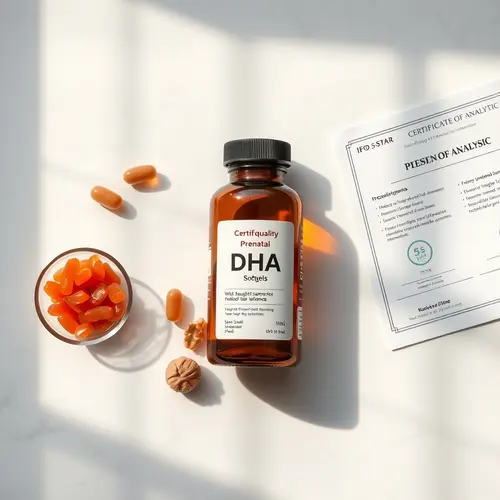
best dha for pregnancy
Finding the best dha for pregnancy means prioritizing third-party purity testing, an optimal EPA-to-DHA ratio, and a source that minimizes heavy metal exposure. This guide breaks down the clinical criteria obstetricians and dietitians use to evaluate supplements so you can choose with confidence.
Why Best DHA for Pregnancy Is Non-Negotiable During Pregnancy
Docosahexaenoic acid (DHA) is a structural omega-3 fat comprising roughly 97% of the omega-3s in the brain and 93% in the retina. During the third trimester, fetal brain volume increases by 260%, demanding a massive influx of DHA that maternal diet alone rarely satisfies. The American College of Obstetricians and Gynecologists (ACOG) acknowledges that adequate intake supports gestational length and infant cognitive outcomes.
Maternal stores deplete rapidly without supplementation. Research published in the American Journal of Clinical Nutrition links low maternal DHA status to higher rates of postpartum mood disturbances. The fetus prioritizes its own needs, pulling DHA from the mother’s brain tissue if dietary intake falls short.
How to Choose the best dha for pregnancy
Not all fish oil is created equal. The supplement industry is loosely regulated, meaning label claims often diverge from bottle contents. Use this checklist to filter the noise.
Best DHA for Pregnancy Source: Triglyceride vs. Ethyl Ester vs. Algal Oil
Triglyceride (TG) form mirrors natural fish fat, offering 70% better absorption than synthetic ethyl esters (EE). Most budget brands use EE to cut costs. Algal oil is the only vegan source providing direct DHA; it bypasses ocean contaminants entirely. For omnivores, wild-caught small fish (anchovy, sardine, mackerel) sit lowest on the food chain, minimizing mercury accumulation.
Purity Certifications: The Non-Negotiables
Look for these specific third-party seals on the bottle. Absence of a seal usually means the brand only performs internal testing.
- IFOS (International Fish Oil Standards): The gold standard. Tests for oxidation, PCBs, dioxins, and heavy metals. A 5-star rating is the target.
- GOED (Global Organization for EPA and DHA Omega-3s): Membership requires adherence to voluntary monograph standards stricter than FDA limits.
- NSF Certified for Sport / USP Verified: Confirms label accuracy and absence of banned substances.
Dosage & Ratio Targets
ACOG and the NIH suggest a minimum of 200–300 mg DHA daily during pregnancy. However, many perinatal nutrition researchers argue for 600–900 mg DHA based on placental transfer kinetics. The EPA component matters too; EPA transports DHA across the placenta. A ratio of roughly 1:2 (EPA:DHA) or higher DHA dominance is ideal for gestation.
Oxidation Values (TOTOX Score)
Rancid oil creates oxidative stress, counteracting the anti-inflammatory benefits. The TOTOX value (Total Oxidation Value) combines peroxide and anisidine values. The GOED voluntary limit is 26; top-tier products sit below 10. If a brand publishes a Certificate of Analysis (CoA) with TOTOX data, that is a massive trust signal.
Top Product Best DHA for Pregnancy Comparison at a Glance
| Product Name | DHA per Serving | EPA per Serving | Form | Key Certification | Best For |
|---|---|---|---|---|---|
| Nordic Naturals Prenatal DHA | 480 mg | 205 mg | Triglyceride | IFOS 5-Star, Friend of the Sea | Overall clinical reliability |
| Thorne Prenatal DHA | 650 mg | 200 mg | Triglyceride | NSF Certified, TOTOX < 5 | High potency, low oxidation |
| Nature Made Prenatal Multi + DHA | 200 mg | 30 mg | Ethyl Ester | USP Verified | Budget convenience (combo) |
| Nordic Naturals Algae Omega | 390 mg | 190 mg | Algal Triglyceride | IFOS 5-Star, Vegan Certified | Plant-based / Allergy safe |
| Carlson Mother’s DHA | 500 mg | 250 mg | Triglyceride | IFOS 5-Star, IGEN Non-GMO | Balanced EPA/DHA ratio |
| Needed Prenatal Omega-3 | 600 mg | 200 mg | Triglyceride | Third-party tested, CoA public | Transparency & sachet format |
| Ritual Essential Prenatal | 330 mg | 60 mg | Algal Triglyceride | USP Verified, Non-GMO | Delayed-release capsule (no burps) |
Debunking the “Best DHA for Pregnancy” Myth
Patients often stop supplements due to reflux. The culprit is almost always oxidation, not the oil itself. Fresh, low-TOTOX triglyceride oil rarely repeats. Enteric-coated or delayed-release capsules bypass the stomach, dissolving in the small intestine. A practical hack: freeze the capsules for 30 minutes before swallowing. This slows gastric breakdown significantly. If burps persist after two weeks on a verified fresh product, switch to an algal source; the molecular structure differs enough to eliminate the issue for most users.
Expert Clinical Scenario: The “Best DHA for Pregnancy Vegetarian Gap”
I recently consulted a patient at 14 weeks following a strict vegetarian diet. Her dietary intake provided ALA (flax, walnuts), but conversion to DHA is inefficient—typically under 5% in adults, lower during pregnancy due to hormonal competition for delta-6-desaturase enzymes. Her Omega-3 Index blood test returned at 3.8%. The protective threshold for preterm birth reduction is generally cited above 5%, ideally 6–8%. We initiated a high-potency algal oil (600 mg DHA) alongside her prenatal. At 28 weeks, her index rose to 6.2%. This objective biomarker tracking removes guesswork and validates the supplement choice.
Best DHA for Pregnancy Timing and Consistency Protocol
DHA accretion peaks in the third trimester, but neural tube closure and early brain patterning happen in the first 12 weeks. Start supplementation pre-conception if possible. If you are already pregnant, start today. Consistency beats perfection; missing three days a week drops serum levels measurably. Take it with the meal containing the most dietary fat to trigger bile release and maximize micellar absorption. Avoid taking it on an empty stomach or with just coffee.
Best DHA for Pregnancy Watch: Vitamin A and Cod Liver Oil
Do not confuse standard fish oil with cod liver oil. Cod liver oil contains high levels of preformed Vitamin A (retinol). Excess retinol during the first trimester is teratogenic. Most prenatal fish oils are distilled from body flesh, not liver, specifically to strip Vitamin A. Always verify the Supplement Facts panel lists “Vitamin A 0%” unless it is purely beta-carotene.
Selecting the best dha for pregnancy ultimately comes down to verified purity, triglyceride form, and a dose that hits the 600 mg DHA threshold. Pair the supplement with two weekly servings of low-mercury fish like salmon or sardines for synergistic nutrient cofactors like selenium and iodine. Your baby’s neural architecture is built once; the raw materials you provide now echo for a lifetime.
About the Author