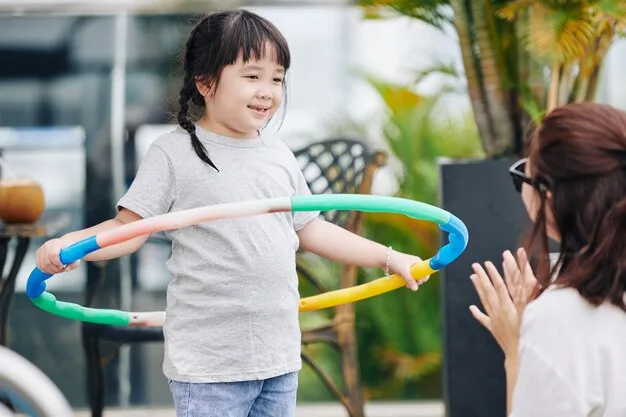
In the whirl of modern life, In the realm of Baby & Parenting, the benefits of promoting an active lifestyle for children stretch far beyond the physical.In fact, starting young has significant advantages. For infants and toddlers, even the most basic movements—like tummy time or rolling—are foundational steps that lay the groundwork for more complex activities in the future. As Baby & Parenting wisdom suggests, the early years are crucial for developing motor skills and building strength. These early milestones are not just about physical health; they play a critical role in emotional and cognitive development. For infants, the first steps are more than just milestones of mobility—they are critical moments in the development of coordination and strength. From the early stages of life, babies engage in movements that contribute to muscle development, joint flexibility, and balance. Activities such as reaching for toys, crawling, or even sitting up help to develop gross motor skills, which are essential for coordination and control of the body. As babies grow into toddlers, they begin to engage in more deliberate forms of movement—standing, walking, running, and jumping. These early movements enhance not only physical development but cognitive function as well. For instance, running encourages spatial awareness and coordination, while climbing aids in strengthening the muscles that support the body.As children engage in play, whether with siblings, peers, or caregivers, they develop social and emotional intelligence. These early interactions through physical play teach children how to cooperate, communicate, share, and resolve conflicts. In Baby & Parenting , fostering social development through physical activities is critical, as it creates opportunities for children to learn how to engage with others in a positive and healthy way. For example, games like “catch” or simple group activities like dancing or running together promote not only physical health but also teamwork. They help children understand social dynamics, from turn-taking to understanding personal space. These moments become the building blocks of positive social behaviors, which will benefit children in their future relationships. While physical activity is often associated with physical health, its impact on the brain is equally profound. The relationship between physical activity and cognitive development has been extensively studied, and research shows that regular movement significantly enhances learning, focus, and brain function. Engaging in physical activity improves blood flow to the brain, which is essential for neurogenesis—the creation of new brain cells—and enhancing cognitive abilities. Studies have shown that exercise is directly linked to improved brain function in children. Physical activity increases the production of neurotrophins, proteins that help in the growth, survival, and maintenance of neurons in the brain. These processes are integral to memory, learning, and overall cognitive function. As a result, children who regularly engage in physical activities tend to perform better in school, demonstrate improved concentration, and exhibit higher levels of creativity. In Baby & Parenting, this is particularly relevant when considering the long-term benefits of early physical activity. For infants and toddlers, simple activities such as crawling or walking may seem rudimentary, but these actions help lay the foundation for cognitive abilities that will support complex learning in the years to come. In today’s age, attention span can often be a challenge for children, especially with the numerous distractions that abound. However, studies show that children who engage in regular physical exercise exhibit better focus and attention. Exercise stimulates the release of endorphins, which not only enhance mood but also improve cognitive functions like concentration and memory. When children engage in physical activity, whether it’s through play or structured exercise, they experience a natural mental reset. This refreshes their minds, making it easier to focus on tasks like homework, problem-solving, and listening skills. The prevalence of childhood obesity has become a growing concern worldwide. In a world where sugary snacks, sedentary entertainment, and convenient fast food are prevalent, physical activity plays an essential role in maintaining a healthy weight. Encouraging children to be physically active can help regulate metabolism, burn calories, and build muscle mass, which in turn supports a healthy body composition. From the moment children begin to crawl, walk, and run, the habit of movement should be embraced and celebrated. Early involvement in physical activity lays the foundation for a lifetime of healthy choices. By promoting physical activity, parents, caregivers, and teachers help children understand the importance of being active—not only as a way to stay healthy but also as a source of joy, self-expression, and fun. In Baby & Parenting, this means not just encouraging exercise but also creating environments that are conducive to movement. Providing a safe space for children to move freely, whether it’s an open area for running or a playground for climbing, helps children develop an affinity for physical activity that will stick with them for years to come. Childhood obesity is not just an aesthetic concern—it is a precursor to numerous health issues, including diabetes, heart disease, and high blood pressure. Children who are physically active are less likely to develop these conditions. Regular physical activity supports the cardiovascular system, improves insulin sensitivity, and helps regulate blood pressure—all of which are vital in preventing chronic diseases in adulthood. Moreover, early activity can also help build strong bones and muscles, which decrease the risk of bone-related issues later in life, such as osteoporosis. For parents and caregivers, understanding the importance of preventing these issues from the start is crucial. Healthy physical habits formed in childhood often translate into lifelong practices that reduce the risk of health complications in adulthood. The mental health benefits of physical activity are becoming more recognized in recent years. As children engage in regular exercise, they benefit from the release of endorphins, which help reduce stress, anxiety, and depression. Additionally, regular physical activity helps children build resilience—encouraging them to overcome challenges, stay persistent, and embrace positive coping mechanisms. When children engage in physical activities, they are not only building their bodies but also their self-esteem. Physical challenges, such as learning to ride a bike or mastering a new sport, allow children to experience success through effort and perseverance. As they achieve these milestones, they build confidence in their abilities. This sense of accomplishment becomes an intrinsic motivator, encouraging children to face new challenges with optimism and courage. In Baby & Parenting, confidence-building through movement is an essential part of a child’s development. Even as young as toddlers, children can gain confidence from successfully completing simple tasks, like climbing a slide or stacking blocks. These small victories help foster a sense of autonomy and self-worth, which carries over into other aspects of their lives. Physical activity also serves as an emotional regulator. For children, the structured release of energy through exercise can help them manage big emotions. When children engage in play or sports, they have the opportunity to express their feelings physically—whether through laughter, excitement, or even frustration. Exercise serves as a healthy outlet for these emotions, helping children learn to cope with stress and anxiety in constructive ways. In Baby & Parenting, this emotional regulation is particularly important. Young children, who are still learning to identify and express their feelings, can benefit immensely from physical activity. The process of moving through emotions and physical exertion teaches them how to calm themselves, refocus, and handle stress in a more resilient manner. One of the overlooked aspects of physical activity is the opportunity it provides for family bonding. Whether it’s a weekend bike ride, an afternoon at the park, or a simple walk around the neighborhood, physical activities offer a chance for families to connect in a fun and healthy way. This not only promotes a sense of togetherness but also sets the stage for healthy habits within the family unit. Children learn by observing the actions of those around them, especially their parents and caregivers. When parents model healthy habits, including regular physical activity, children are more likely to adopt these behaviors themselves. By making physical activity a family affair, parents demonstrate the importance of taking care of one’s body and mind, which becomes a lasting lesson for children. Physical activities create opportunities for families to build lasting memories together. Whether it’s competing in a friendly game of soccer or hiking up a scenic trail, these moments foster a sense of joy and connection. As children grow, these shared experiences become cherished memories, reinforcing the importance of spending quality time together and enjoying each other’s company. The benefits of physical activity for children are immeasurable. From physical health and mental well-being to social skills and emotional growth, engaging in regular movement is essential for shaping a child’s development. In Baby & Parenting, the early introduction of physical activity helps lay the foundation for healthy, active, and confident children who will carry these habits into adulthood. By understanding the profound impact of physical activity and actively promoting it, parents and caregivers have the opportunity to guide children toward a lifetime of wellness, resilience, and joy. Encouraging movement, fostering teamwork, and creating positive experiences around physical activity will not only benefit children in the present but also set them on a path toward lifelong health and happiness. Related reading: The Importance of Early Childhood Education: Nurturing the Foundation of Future Success. Physical activity isn’t something that should be introduced later in a child’s life. In fact, starting young has significant advantages. For infants, the first steps are more than just milestones of mobility—they are critical moments in the development of coordination and strength. From the early stages of life, babies engage in movements that contribute to muscle development, joint flexibility, and balance. One of the most compelling aspects of physical activity is its ability to foster social skills. As children engage in play, whether with siblings, peers, or caregivers, they develop social and emotional intelligence.
The Role of Movement in Motor Skill Development
Cognitive and Mental Benefits of Physical Activity
Boosting Brain Development
Improving Attention and Focus
Physical Activity as a Shield Against Childhood Obesity
Establishing Healthy Habits Early
Preventing Long-Term Health Issues
Emotional and Psychological Benefits of Physical Activity
Building Confidence and Self-Esteem
Regulating Emotions
Promoting Family Bonding Through Physical Activity
Role Modeling for Children
Building Lasting Memories
Conclusion: The Lifelong Benefits of Physical Activity for Children
The Foundations of Physical Activity in Early Childhood
The Role of Movement in Motor Skill Development
Early Socialization through Physical Activity



About the Author

Related Posts: