Toddler meals can feel like a daily negotiation, especially when a food that worked yesterday lands on the floor today. The goal is not a clean plate. It is a calm table, a balanced plate, and enough repeated exposure that your child learns to trust new flavors and textures over time.
Simple toddler meals should be safe, varied, and easy to repeat. This guide offers seven practical meal ideas, a simple weekly plan, and a prep routine for busy parents. It also covers choking safety and picky-eating strategies. It is general education, not medical advice; speak with your pediatrician or a registered dietitian if you are concerned about growth, allergies, or feeding skills.
What a Balanced Toddler Meal Looks Like
Plan toddler meals around the week, not a single difficult dinner. A balanced toddler meal usually includes a starch, a protein, a fruit or vegetable, and a source of fat. You do not need every group at every meal. Think about the day as a whole and offer variety across breakfast, lunch, dinner, and snacks.
Portions should be small. A toddler’s stomach is roughly the size of their fist, and appetite changes from day to day. Offer a spoonful of each food and let your child ask for more. Large portions can feel overwhelming and lead to more refusal, not less.
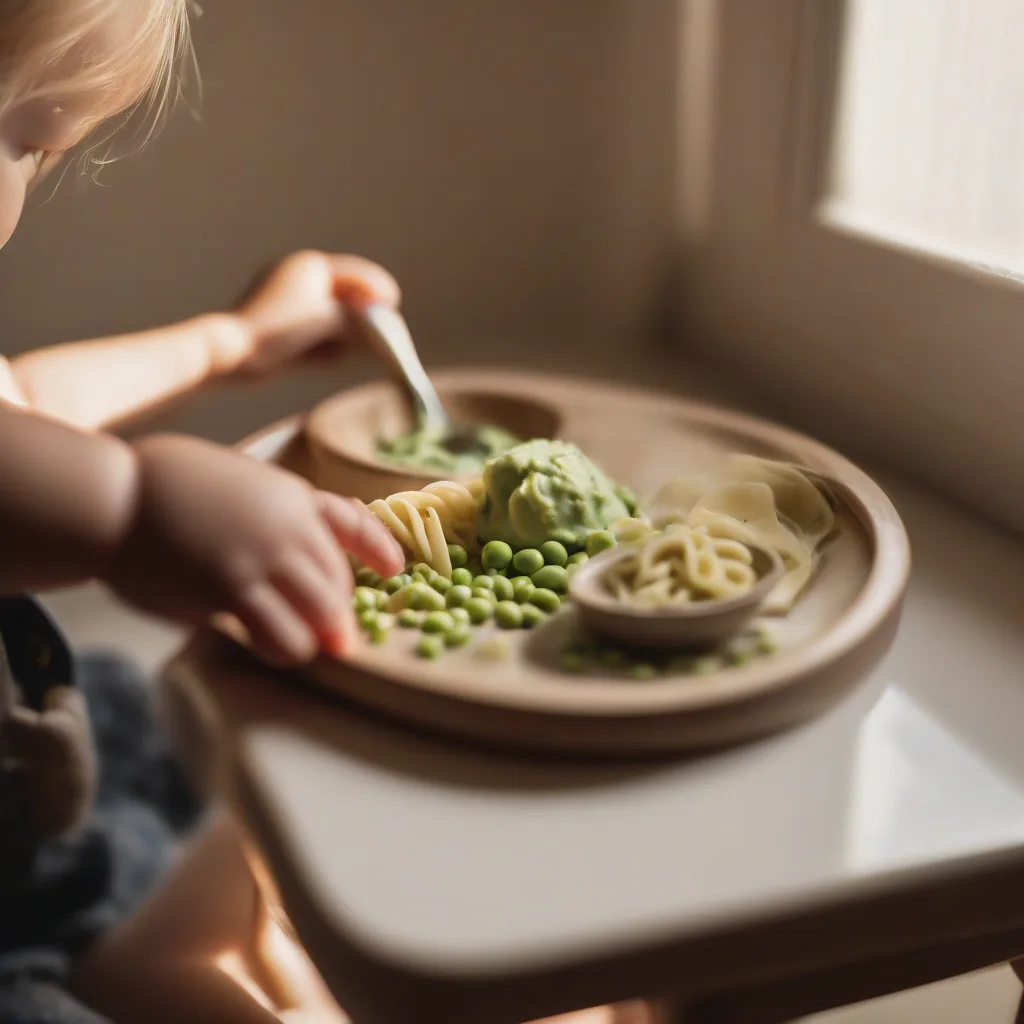
Include at least one familiar food at each meal. A new food is easier to approach when it sits next to something your child already accepts. Keep the pressure low: you decide what is served and when, and your child decides whether and how much to eat.
Toddler Meals: 7 Easy, Balanced Ideas
The best toddler meals include one familiar food and one new food. These toddler meals are flexible. Swap ingredients for what you have, keep textures safe, and serve the same meal to the family when possible. Repetition is not boring; it is how toddlers build confidence.
1. Oatmeal with mashed fruit and yogurt
Cook oats with whole milk or water, then stir in mashed banana, pear, or apple. Add plain yogurt for protein and fat. Let it cool and check the texture. Avoid large chunks of nuts or hard fruit; use a thin spread of nut butter if your child already tolerates it.
2. Egg and avocado toast fingers
Scramble or hard-cook an egg and serve it with soft toast fingers and mashed avocado. Cut the toast into strips that are easy to grip. If your child is still learning to chew, mash the egg and spread it thinly so it is not a choking hazard.
3. Deconstructed bean and cheese bowl
Serve soft beans, shredded cheese, rice, and a little avocado in separate sections. Separating components lets a toddler explore without a mixed texture causing refusal. Mash the beans slightly and make sure they are soft. Add a squeeze of lime if your child likes the flavor.
4. Chicken and vegetable pasta
Use small pasta shapes, finely shredded chicken, and soft cooked vegetables. Toss with a little olive oil or a mild tomato sauce. Cut grapes and cherry tomatoes into quarters, and cook vegetables until they are soft enough to mash between your fingers.
5. Salmon or tuna patties with soft peas
Combine canned fish, mashed potato, and egg, then shape small patties and bake until firm. Check carefully for bones. Serve with soft peas and a familiar dip. Fish can be offered a couple of times a week if your child has no allergy and your pediatrician agrees.
6. Yogurt, fruit, and oat muffin plate
Pair plain yogurt with soft fruit and a small oat muffin. Choose a low-sugar muffin or make one at home with mashed banana. This plate works for breakfast or a snack and can be packed for an outing. Keep yogurt cold until serving.
7. Family dinner, toddler version
Serve a small portion of what the family is eating, with the pieces cut small and the strong flavors kept on the side. If dinner is spicy, set aside a mild portion before adding heat. Offer one safe food alongside the new meal so your child has something familiar to eat.
Texture and Choking Safety
Toddlers are still learning to chew. Cut food into small, soft pieces and avoid hard, round, or sticky foods that can block an airway. Whole grapes, whole nuts, popcorn, hard candy, and large chunks of raw carrot are common risks. Quarter grapes and cherry tomatoes, thinly slice rounds, and cook firm vegetables until soft.
Seat your child upright at the table and supervise every meal. Avoid eating in the car or while running. Encourage small bites and let your child set the pace. If your child coughs or gags, stay calm and let the reflex work; if breathing is blocked, use the choking response your pediatrician has taught you and call emergency services.
Check labels for allergens and introduce common allergens one at a time with your pediatrician’s guidance. Keep a simple log of new foods and any reaction. If there is a history of severe allergy, follow the written emergency plan exactly.
Plan a Simple Week
A weekly plan reduces decision fatigue. It does not have to be a rigid menu. Choose a few breakfasts, lunches, dinners, and snacks, then rotate them. The table below is a starting template, not a prescription.
Day
Breakfast
Lunch
Dinner
Monday
Oatmeal and pear
Bean and cheese bowl
Chicken pasta
Tuesday
Egg and toast
Yogurt and fruit
Family dinner, mild portion
Wednesday
Oat muffin and yogurt
Leftover pasta
Salmon patties and peas
Thursday
Oatmeal and banana
Deconstructed bean bowl
Family dinner, mild portion
Friday
Egg and avocado toast
Yogurt and soft fruit
Homemade pizza with soft toppings
Weekend
Family choice
Simple leftovers
Batch-cook one new recipe
Plan around your schedule, not the other way around. If Tuesday is busy, make extra on Monday. If your child is hungry after daycare, offer a planned snack instead of an early dinner. A flexible plan is easier to keep than a perfect one.
Handle Picky Eating Without Pressure
Keep toddler meals calm by serving small portions and avoiding pressure. Picky eating is common in toddlers, and pressure usually makes it worse. Avoid bribing with dessert, forcing bites, or making a separate meal every time. Offer a small portion of the family meal, include one safe food, and stay neutral if your child refuses.
Keep offering new foods, even after several refusals. It can take many exposures before a toddler accepts a texture or flavor. Serve new foods alongside familiar ones, and let your child decide whether to touch, taste, or ignore them. The goal is familiarity, not a clean plate.
Involve your child in simple tasks: washing vegetables, stirring, or choosing between two fruits. Give choices you can live with, such as “peas or carrots?” rather than “what do you want for dinner?” A small sense of control can reduce mealtime battles.
Watch for patterns rather than single meals. If your child is growing, active, and eating a variety over a week, a refused dinner is usually not a crisis. Ask for help if weight gain slows, feeding is painful, or your child avoids entire food groups for a long time.
Toddler Meals: A Prep Routine That Saves Time
A reliable set of toddler meals saves time on the busiest evenings. A little prep on the weekend makes weekday toddler meals easier. Cook a batch of pasta, roast soft vegetables, wash and cut fruit, and portion plain yogurt. Store everything in clear containers so you can see what is ready. Label the date and use the oldest food first.
Keep a shelf in the fridge for toddler-safe foods your child can choose from. Include soft fruit, cheese, yogurt, cooked vegetables, and a protein. A visible shelf supports independence and reduces the urge to open every cabinet while you cook.
Freeze small portions of sauces, patties, and muffins. Reheat only what you need and check the temperature before serving. Avoid reheating the same portion more than once. A freezer stash is useful on sick days, busy evenings, and unexpected schedule changes.
Keep the table calm, the portions small, and the pressure low. Toddler meals do not need to be perfect. They need to be safe, varied enough over the week, and served in a routine your family can sustain. That is how healthy eating becomes normal rather than a nightly fight.
What are easy toddler meals for picky eaters?
Easy toddler meals pair a familiar food with one new item, such as toast with egg and soft fruit or pasta with shredded chicken and peas. Keep portions small, cut food safely, and serve the same meal to the family when possible.
How much should a toddler eat at each meal?
Offer a small portion of each food and let your toddler ask for more. Appetite changes from day to day, so judge intake across a week rather than a single meal. A pediatrician can advise if growth or feeding concerns persist.
How do I introduce new foods without pressure?
Serve a tiny portion beside a familiar food and stay neutral if your child refuses. Keep offering the food over several weeks without bribes or force. Let your child touch, taste, or ignore it, and involve them in simple prep tasks.
Michael Carter covers parenting and family life since 2020, testing 60+ parenting products and routines on safety, value, and real-life fit to help moms and families choose with confidence.