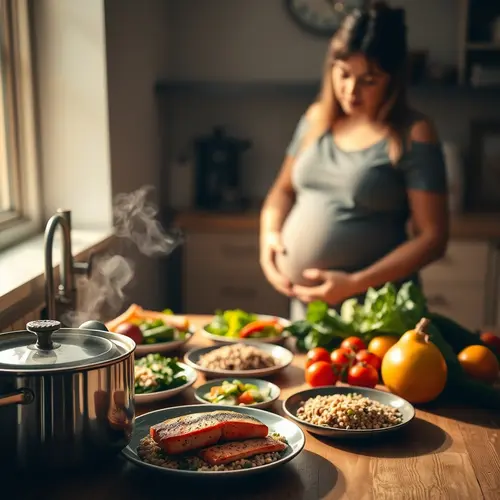
Navigating pregnancy comes with a long list of changes, but few things are as impactful for your baby’s growth as your daily diet. A well-designed meal plan for pregnant women is not about strict restriction or counting every calorie. Instead, it is a balanced, nutrient-dense eating strategy tailored to meet the changing physiological demands of your body while nurturing your developing child throughout each trimester.
Whether you are managing early morning sickness or fueling late-stage fetal growth, eating intentionally helps ensure both you and your baby receive the vital vitamins and minerals needed for a healthy pregnancy journey.
Why a Dedicated Meal Plan for Pregnant Women Matters
Your body undergoes remarkable changes during gestation, requiring extra energy, blood volume, and structural support. Following a structured eating pattern helps you adapt smoothly while mitigating common pregnancy complications.
Supporting Increased Caloric Demands: Energy needs shift as your baby grows. While the first trimester requires minimal extra calories, requirements rise by roughly 300 calories per day in the second trimester and 450 calories per day in the third trimester.
Reducing Medical Risks: Consistently nutrient-rich meals help lower the risk of gestational diabetes, preeclampsia, iron-deficiency anemia, and premature delivery.
Sustaining Maternal Energy: Balanced nutrition stabilizes blood sugar levels, helping combat the severe fatigue often experienced in early and late pregnancy.
Building Meal Plan for Pregnant Women : The Balanced Prenatal Framework
A practical approach recommended by dietitians is the visual plate method. Rather than tracking complex macros, aim to balance every meal using these proportion guidelines:
Half the Plate (50%): Colorful vegetables and fresh fruits (rich in fiber, antioxidants, and essential hydration).
One Quarter (25%): Lean protein sources (vital for tissue synthesis and baby’s organ development).
One Quarter (25%): Whole grains and complex carbohydrates (providing long-lasting energy and preventing constipation).
Healthy Fats (Add-on): A serving of plant-based fats like avocado, extra virgin olive oil, nuts, or seeds at every meal to aid nutrient absorption.
Key Meal Plan for Pregnant Women and Trimester Focus
A comprehensive meal plan for pregnant women prioritizes specific micronutrients that directly influence fetal anatomical development, neural function, and maternal bone density.
Folic Acid / Folate: Essential in early pregnancy to prevent neural tube defects such as spina bifida. Found in leafy greens, fortified whole grains, and legumes.
Iron: Crucial for doubling red blood cell production to carry oxygen to your baby. Found in lean red meat, poultry, beans, cooked spinach, and lentils.
Calcium & Vitamin D: Work together to build baby’s bones and teeth while preserving maternal bone mass. Found in dairy products, fortified plant milks, tofu, and fatty fish.
DHA (Omega-3): Critical for brain and eye development. Found in low-mercury fish like wild salmon, sardines, and algae-based supplements.
Iodine: Supports healthy fetal brain and thyroid function. Found in iodized salt, dairy products, and eggs.
Wild salmon, eggs, seeds, dark leafy greens, avocado
Sample 1-Day Meal Plan for Pregnant Women
Here is a practical, easy-to-prepare sample menu demonstrating how to put these nutritional guidelines into daily practice:
Breakfast: Omelet made with 2 eggs, cooked spinach, and diced tomatoes, served alongside 1 slice of whole-grain toast topped with mashed avocado.
Morning Snack: Plain Greek yogurt topped with a handful of fresh blueberries and a sprinkle of chia seeds.
Lunch: Quinoa bowl with grilled chicken breast, black beans, roasted sweet potatoes, shredded carrots, and a drizzle of olive oil dressing.
Afternoon Snack: Slice of apple with 2 tablespoons of natural almond butter.
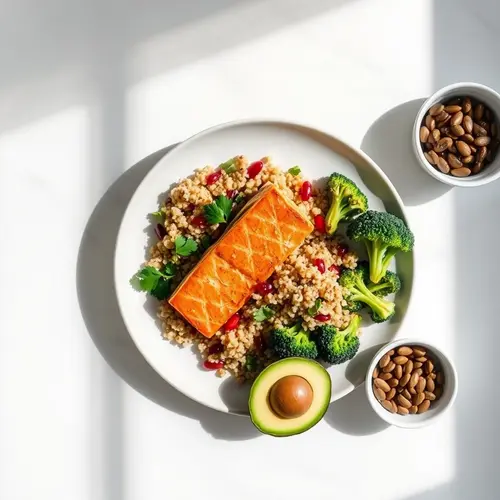
Dinner: Baked wild salmon filet, roasted broccoli florets, and a side of brown rice or quinoa.
Evening Snack: Warm pasteurized milk or fortified oat milk with a small handful of walnuts.
Meal Plan for Pregnant Women to Avoid or Limit During Pregnancy
Safety is just as critical as nutrient density. To protect against foodborne illnesses such as Listeria, Salmonella, or high methylmercury exposure, keep the following guidelines in mind:
Avoid High-Mercury Fish: Steer clear of shark, swordfish, king mackerel, and tilefish. Stick to low-mercury choices like salmon, canned light tuna, and shrimp.
Avoid Raw or Undercooked Foods: Skip sushi with raw fish, rare steaks, and unpasteurized juices or dairy products.
Heat Deli Meats: If consuming cold cuts or hot dogs, heat them until steaming hot to eliminate potential bacterial contamination.
Limit Caffeine: Keep daily intake under 200 mg (roughly one 12-ounce cup of coffee) per standard medical recommendations.
Expert Guidance: Customizing Meal Plan for Pregnant Women
“Individual preferences, cultural food choices, and daily activity levels should shape a pregnancy meal plan rather than a rigid, generic template. Flexibility improves long-term consistency and ensures overall nutritional balance.”
— American College of Obstetricians and Gynecologists (ACOG)
Every pregnancy is unique. If you experience severe morning sickness, food aversions, or gestational diabetes, adapt your intake by eating smaller, more frequent meals throughout the day rather than three large ones. Always consult your obstetrician or a registered prenatal dietitian to tailor your diet alongside a daily prenatal vitamin routine.
By building a flexible, nutrient-rich meal plan for pregnant women, you lay a strong foundation for your baby’s growth while protecting your own health every step of the way.
Michael Carter covers parenting and family life since 2020, testing 60+ parenting products and routines on safety, value, and real-life fit to help moms and families choose with confidence.